01
Keeps the game flowing
The ball returns to play instead of stopping at the fence line, so sessions are not broken up by constant retrieval.
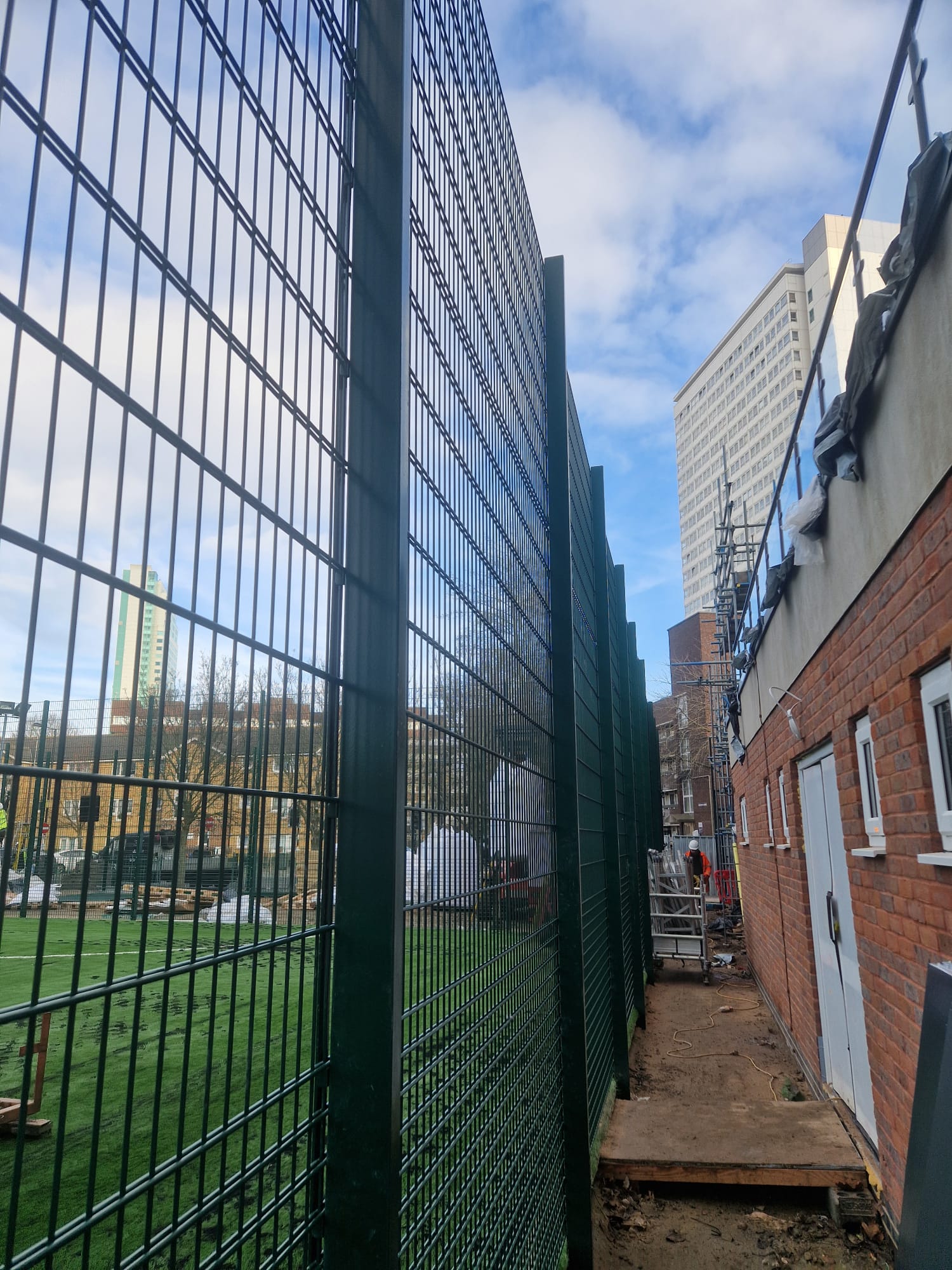
Playable boundaries
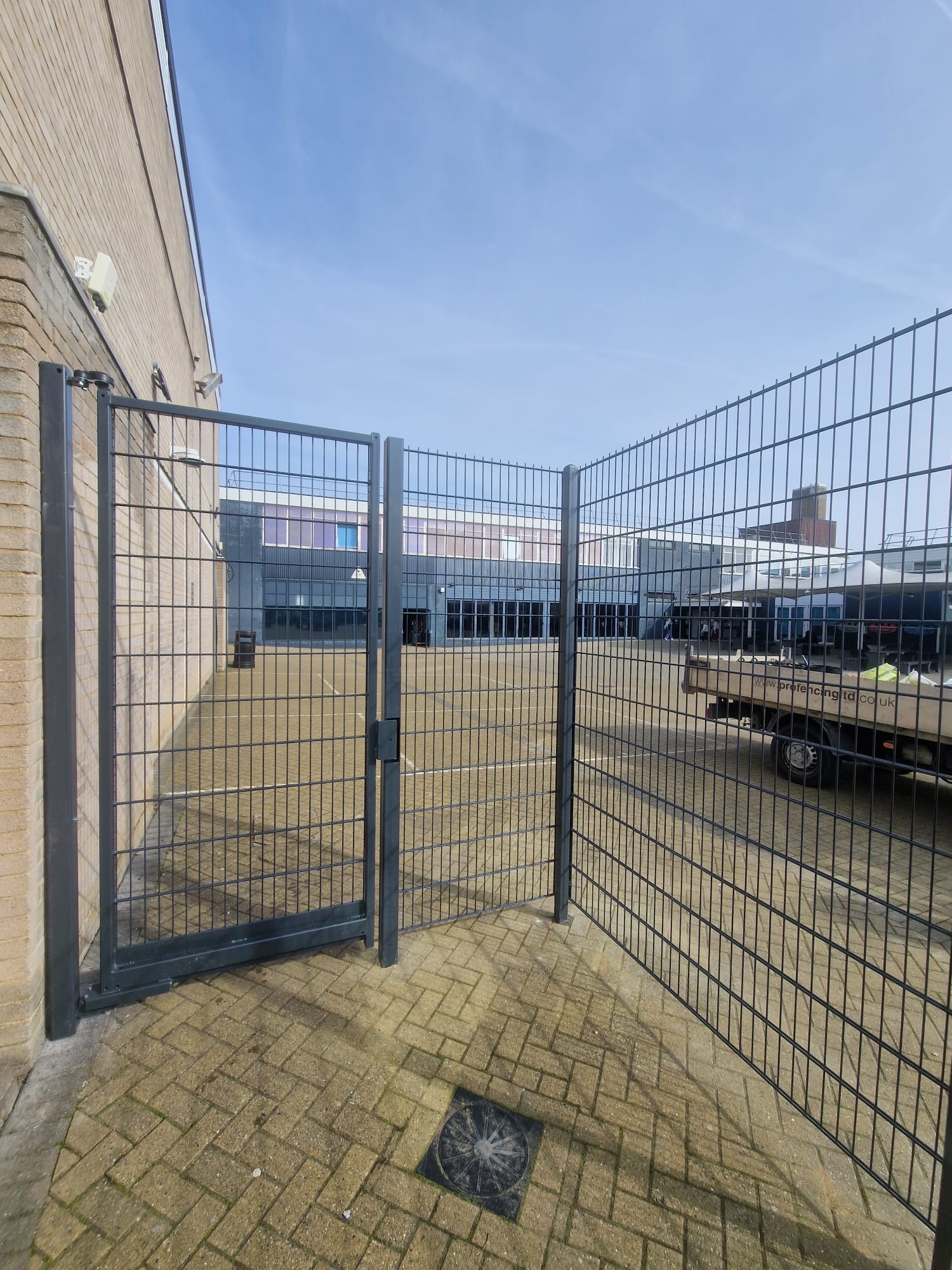
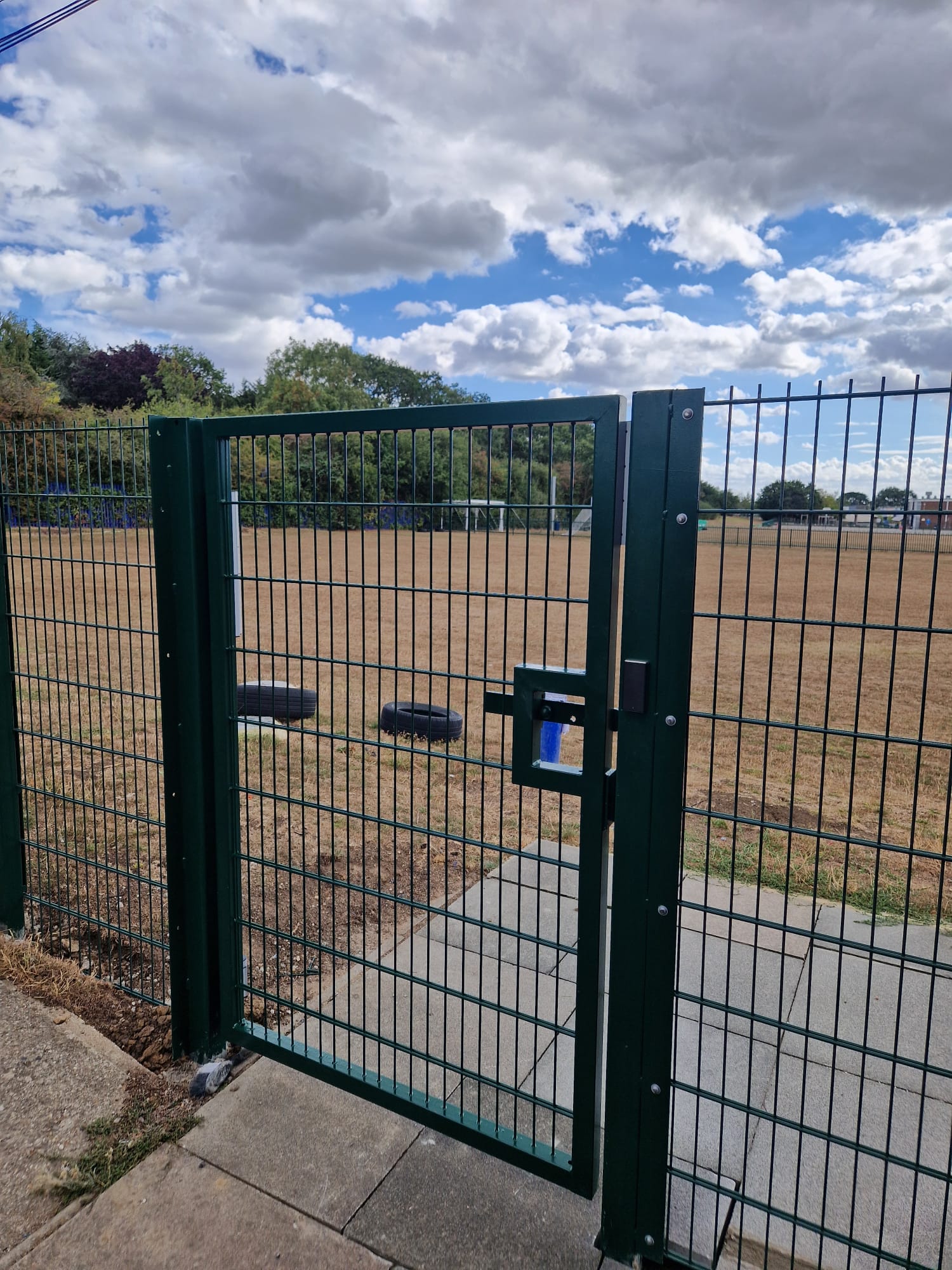
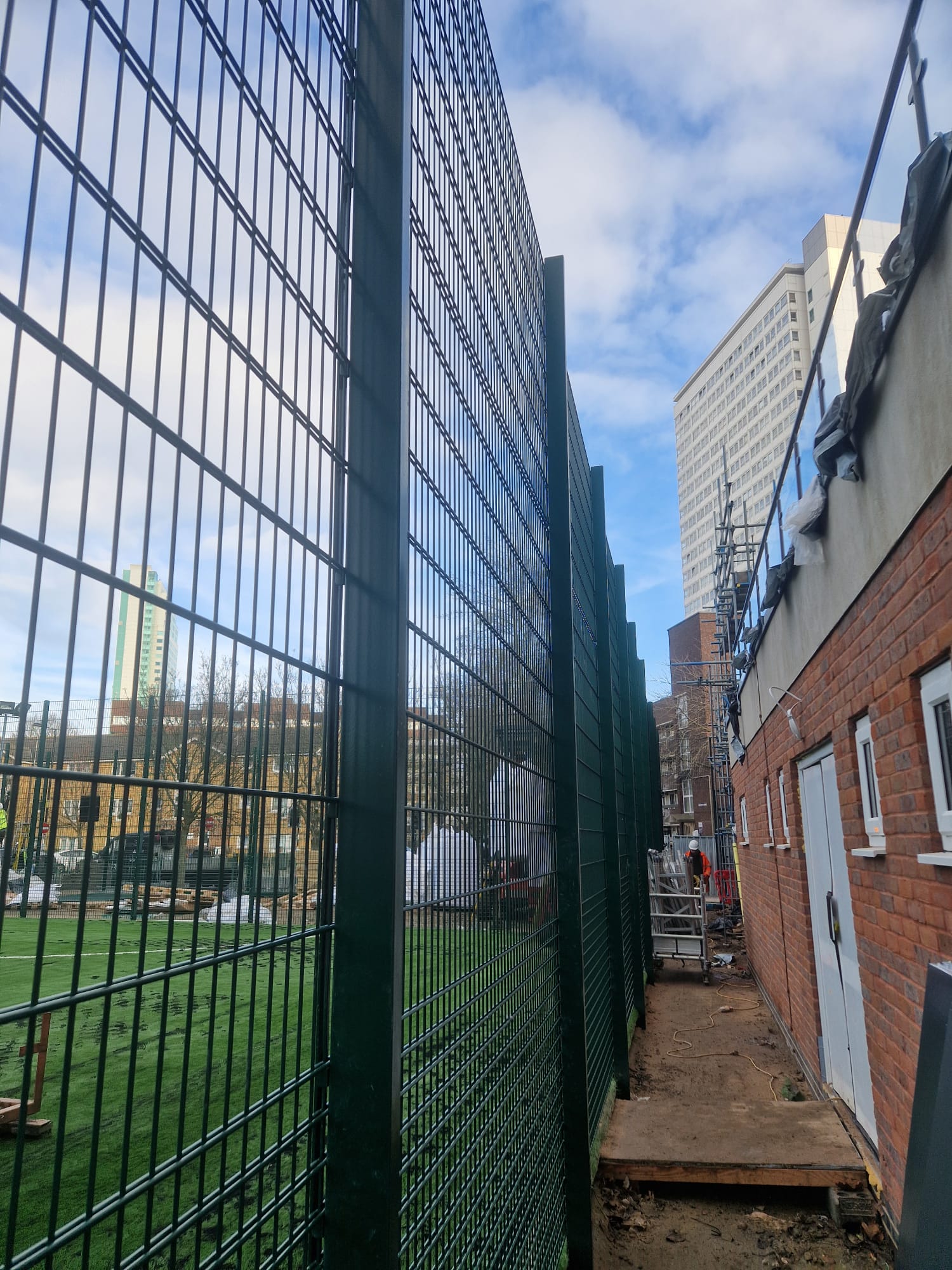
Rigid welded mesh on braced posts that keeps the ball in play, installed on courts, MUGAs and training areas across Essex.
Commercial fencing installation across Essex and surrounding areas
Purpose
Returns the ball to play instead of stopping it dead
Typical form
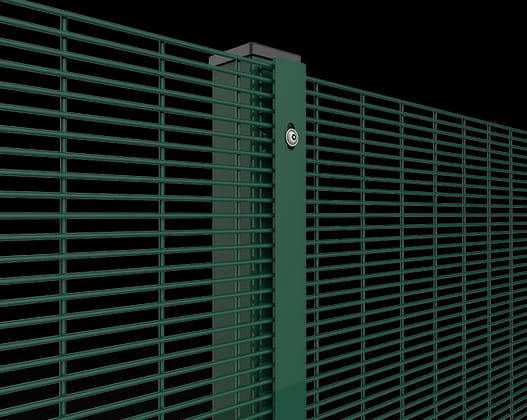
Rigid welded mesh panels on braced posts
Best suited to
Hard courts, MUGAs, small-sided and training areas
Finish
Galvanised and powder-coated, commonly green or black
Overview
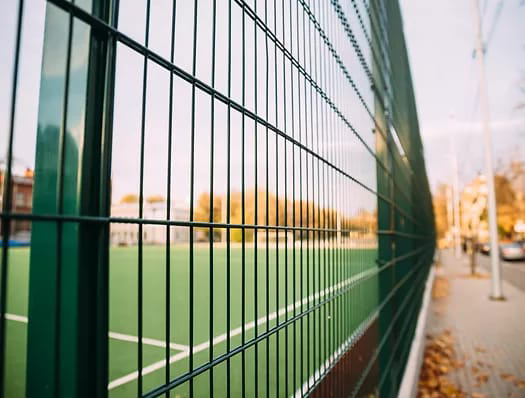
Rebound fencing is a playing surface as much as a boundary. Rigid welded mesh panels are fixed to closely spaced, braced posts so the whole run stays taut and flat, and a ball played into it comes back predictably rather than dropping at the base. On small-sided pitches and hard courts that keeps the game moving and cuts the number of stoppages.
The construction is what separates it from ordinary sports mesh. Panel rigidity, post spacing and bracing all have to work together, because a run that flexes absorbs the ball instead of returning it, and fixings that are not designed for repeated impact eventually work loose. Lower rebound sections are usually detailed with continuous panel-to-panel fixings so there is no gap or lip at the joints.
It is not needed everywhere. On a full-size grass pitch, rebound sections add cost without changing how the game is played, and containment or ball-stop runs are the better answer. Rebound suits enclosed hard surfaces where the boundary is close enough to the play to be used, which is why it is most common on MUGAs, tennis and multi-sport courts and training grids.
In most schemes rebound is a section rather than the whole boundary: rebound to a set height on the runs used in play, then standard mesh or ball-stop height above and beyond it. That combination gives a surface that plays well without over-specifying the parts of the enclosure that no ball ever reaches.
Applications
Rebound sections earn their place where the boundary is close to the play and part of how the game is used.
Why it works
The ball returns to play instead of stopping at the fence line, so sessions are not broken up by constant retrieval.
Closely spaced posts and bracing keep the run taut so the rebound stays consistent along its length.
Panel fixings and post detailing are chosen for continuous ball contact rather than boundary duty alone.
Rebound sections are placed on the runs genuinely used in play, with standard mesh above and elsewhere.
Specification
Panel type, rebound height and post arrangement are set by the sport, the surface and how the area is used.
Final specification is confirmed following a site survey.
Our process
We inspect the boundary, access, ground conditions and operational requirements.
We recommend a suitable fencing system, height, finish and gate configuration.
The work is coordinated to minimise disruption and maintain safe site access.
The fencing and gates are installed carefully, checked and left with a clean, consistent finish.
Specification enquiry
Rebound is worth it on the right runs and wasted on the wrong ones. Pro Fencing can look at the surface, the sports played and the layout, then recommend where rebound sections belong, what height they should run to and how the rest of the enclosure should be built.
Why Pro Fencing
We assess how the boundary needs to perform before recommending a fencing system, finish or gate configuration.
Fencing for industrial, educational, commercial and public environments.
Recommendations based on the boundary, ground, access and security requirement.
Installation coordinated to maintain safe access and minimise disruption.
A defined route from site survey and specification through to installation.

Coverage
Pro Fencing supplies and installs commercial fencing systems throughout Essex. We work with businesses, schools, contractors, sports facilities and public-sector organisations, providing site-specific fencing and gate solutions for new installations, upgrades and boundary replacements.
FAQs
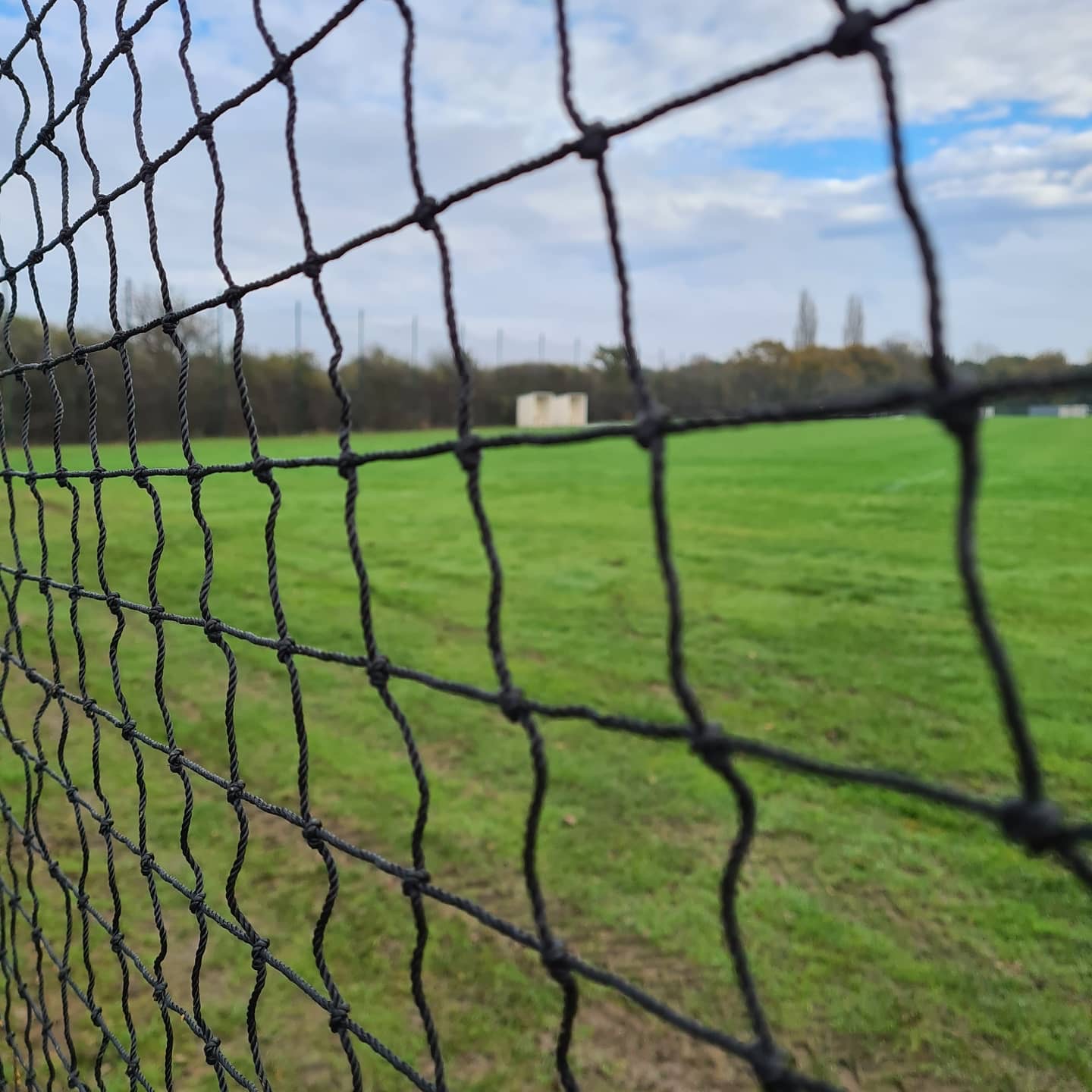
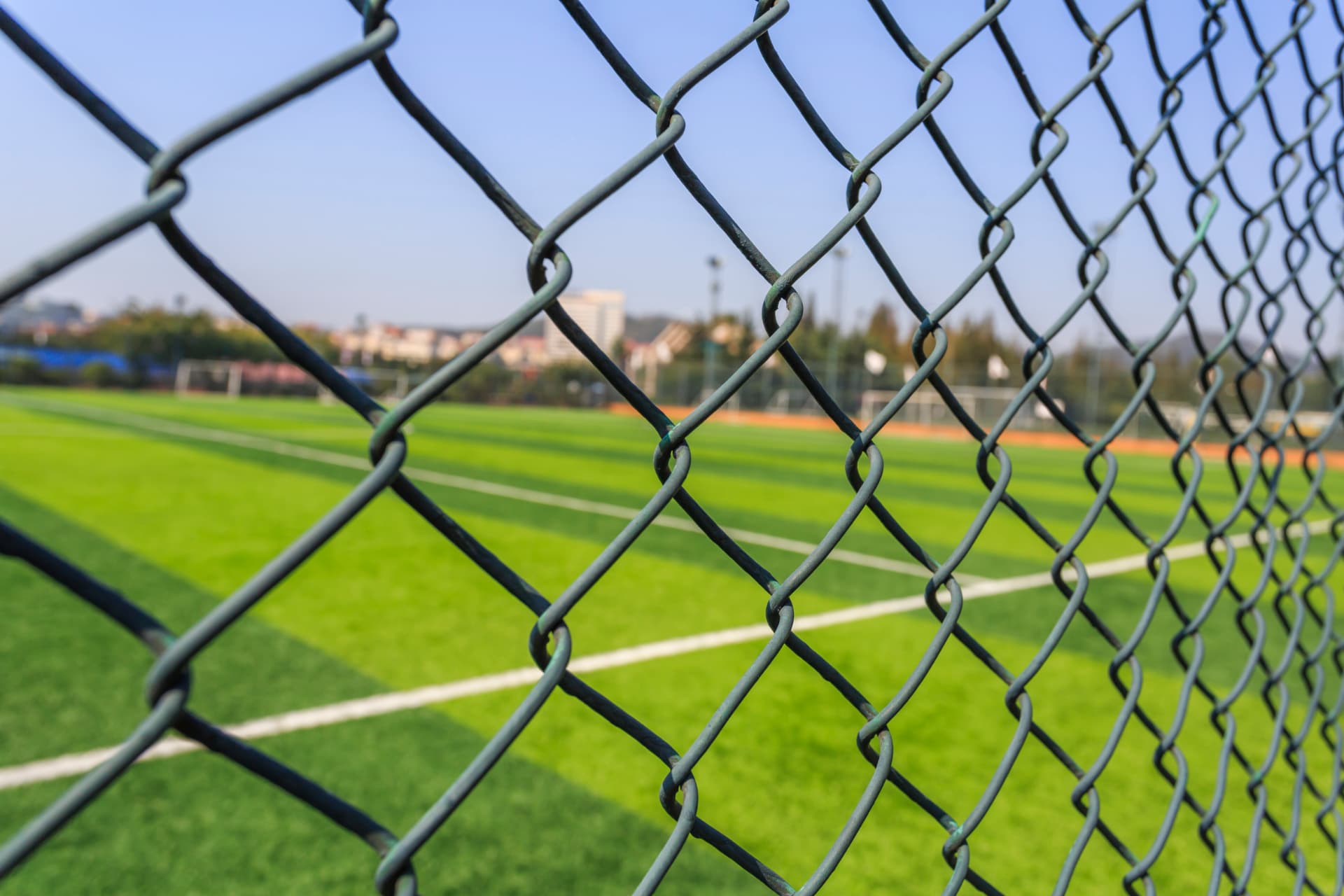
Standard sports mesh contains the ball; rebound mesh returns it. That comes from rigidity, so rebound runs use closer post centres, braced terminations and continuous panel fixings to keep the surface taut. Ordinary mesh flexes on impact and absorbs the ball, which is fine for containment but useless for play.
Rarely. Most schemes use rebound to a set height on the runs used in play and standard mesh or ball-stop height above and on the remaining sides. Specifying rebound all the way round usually adds cost without changing how the area plays.
Generally not. On full-size grass pitches the boundary is too far from most play to be used as a rebound surface, and containment or ball-stop runs deliver more for the money. Rebound belongs on enclosed hard surfaces where the fence line is genuinely in play.
Rigid panel systems are stepped, and on a rebound section the steps have to be detailed carefully so there is no gap or lip where a ball can catch. We set the line out on site and, where a slope is significant, discuss whether the surface levels should be adjusted before the fencing is fixed.
Very little beyond periodic checks. Because the run takes repeated impact, the sensible routine is to inspect panel fixings and post bases each year and tighten or replace anything that has moved. Galvanised and powder-coated finishes need no ongoing treatment.
We install rebound mesh fencing throughout Essex and the surrounding areas, including Basildon, Brentwood, Chelmsford, Wickford, Rayleigh, Grays, Thurrock, Southend-on-Sea, Romford, Harlow and Colchester. Larger schemes beyond the county are also worth discussing.
Get started
Talk to Pro Fencing about your site, security requirements and installation timeframe. We can assess the boundary and recommend a suitable solution.