
01
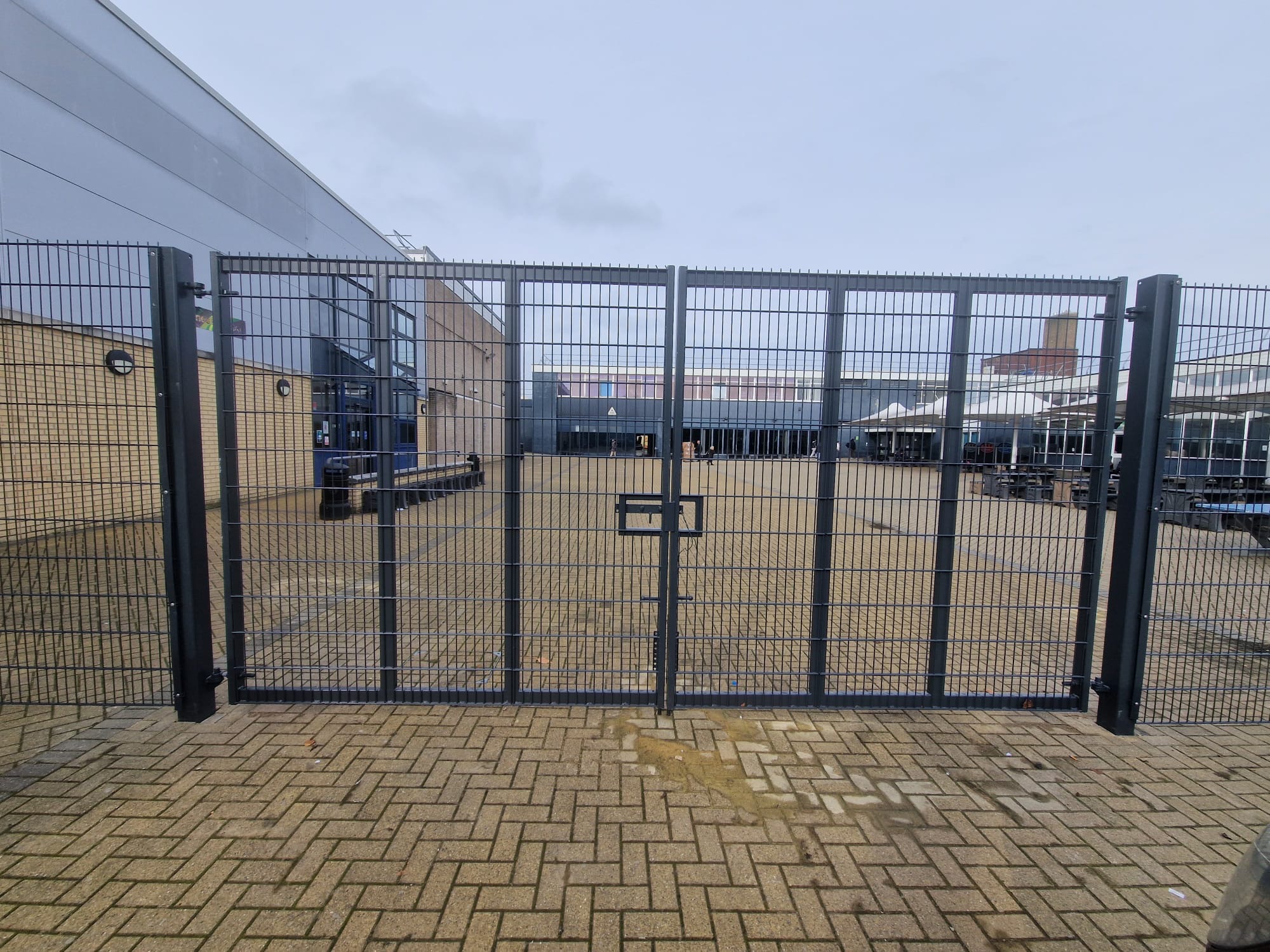
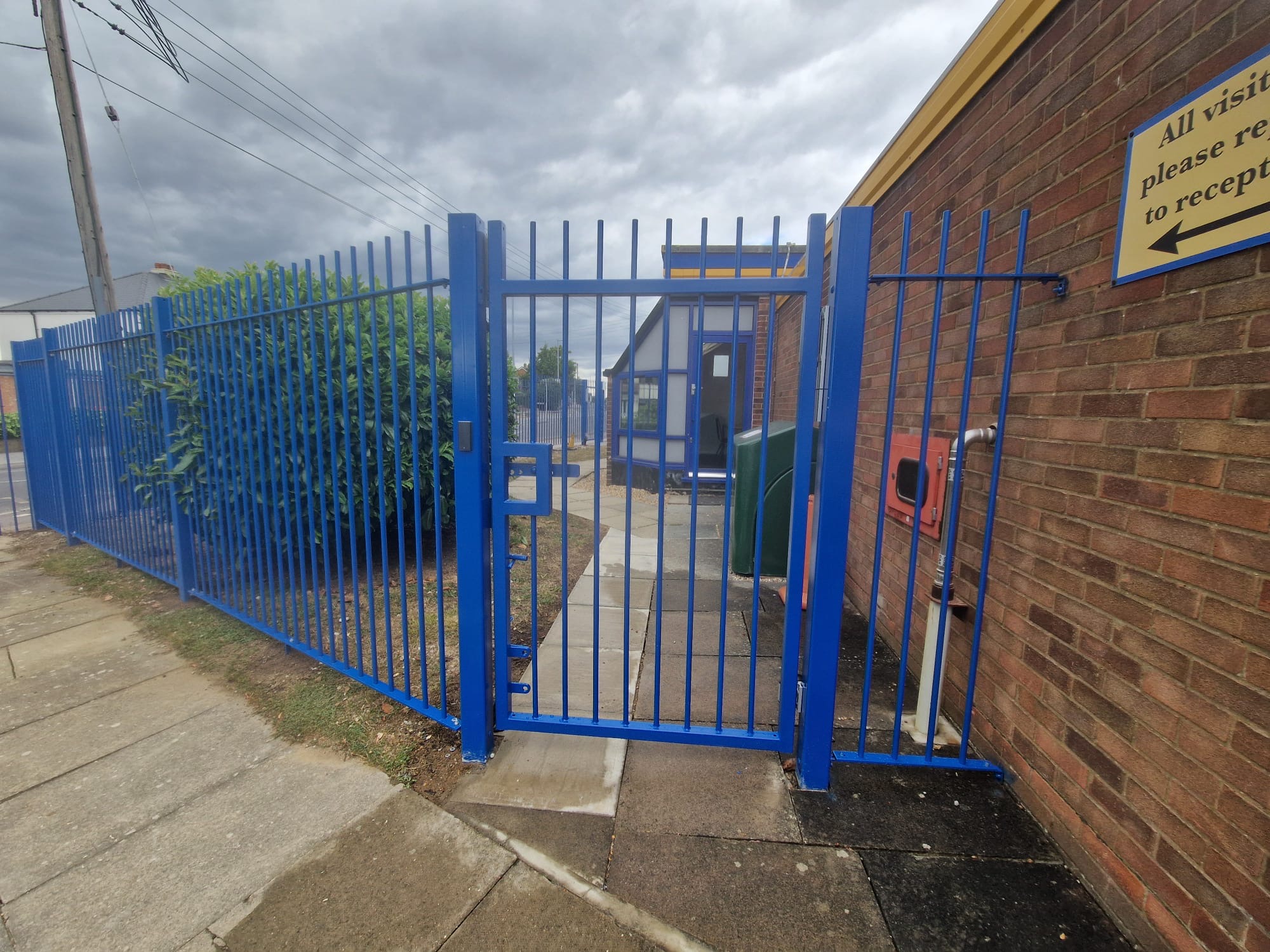
Keeps play inside the site
Balls stay on the pitch, so games are not stopped constantly to retrieve them from a road or car park.
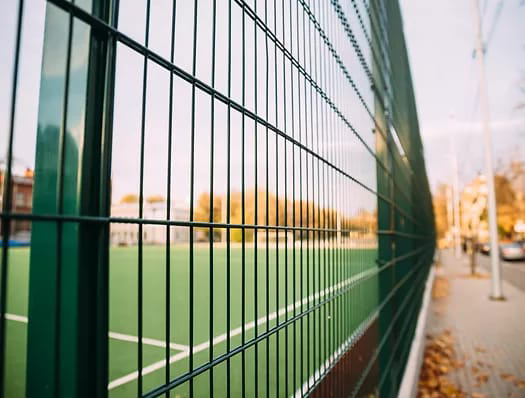
Ball containment and netting
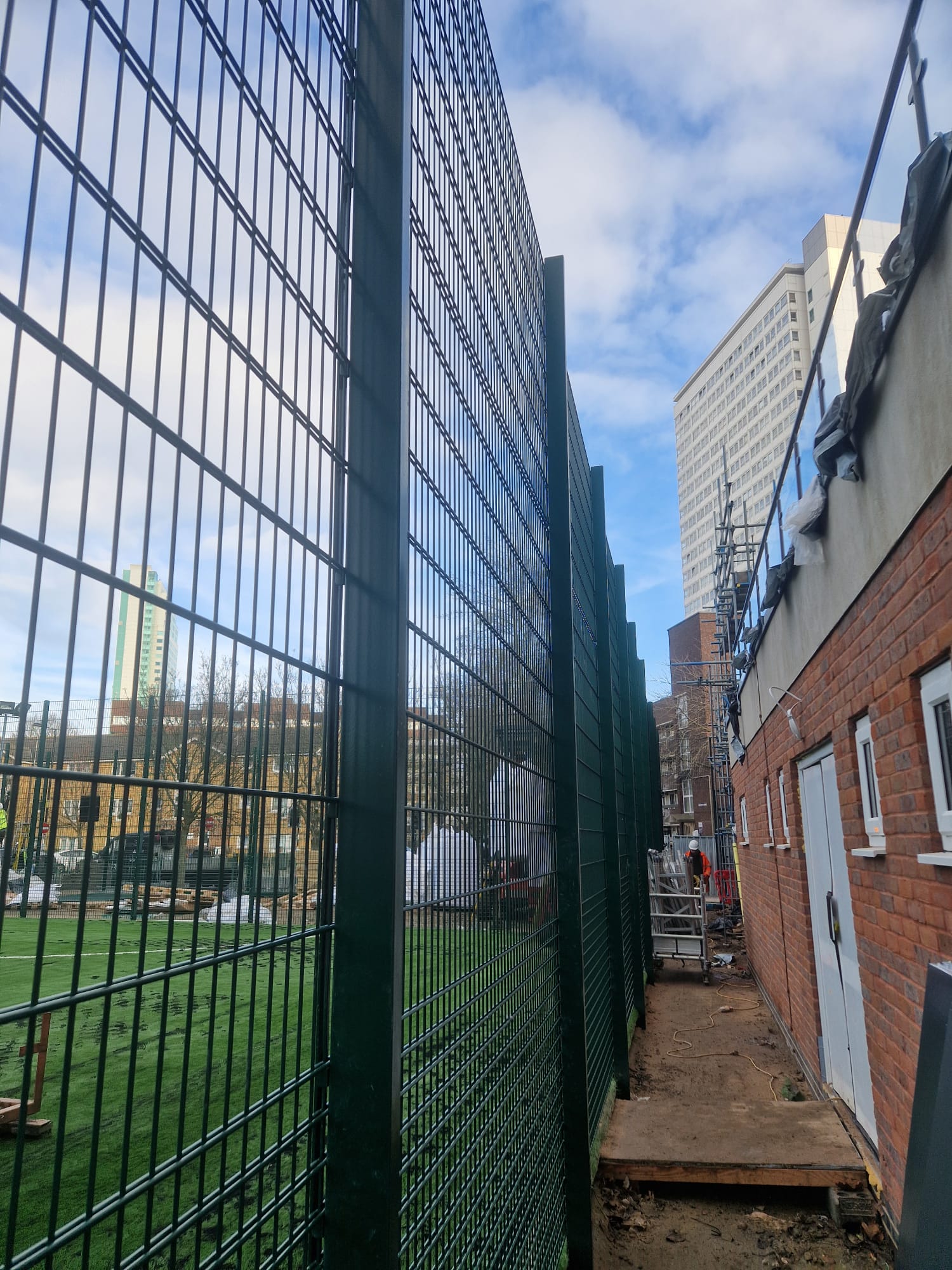
Tall mesh and netting runs that keep balls inside the playing area, installed for schools, colleges, clubs and community pitches across Essex.
Commercial fencing installation across Essex and surrounding areas
Purpose
Containment on the sides where balls leave the pitch
Typical form
Tall mesh runs, netting panels or a combination
Placement
Behind goals, along roadsides, glazing and car parks
Finish
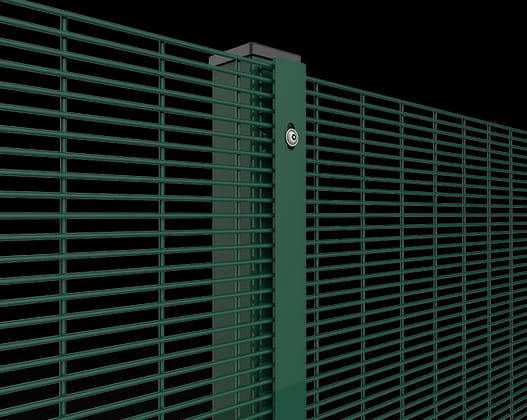
Galvanised, usually polyester powder-coated green or black
Overview
Ball-stop fencing solves one problem: balls leaving the playing area and reaching somewhere they should not. That is usually a road, a car park, glazing, a neighbouring garden or a footpath used by the public. The rest of the enclosure rarely needs the same height, so a well-planned scheme raises the boundary only where the risk sits and keeps the remaining runs at a sensible court height.
In practice that means identifying the lines of play. Behind goals and at the ends of a pitch, balls travel high and fast, so those runs are taken up considerably. Along the sides, they usually cross lower, so a shorter run is often enough. Getting that judgement right controls both the cost and the visual impact of the finished boundary.
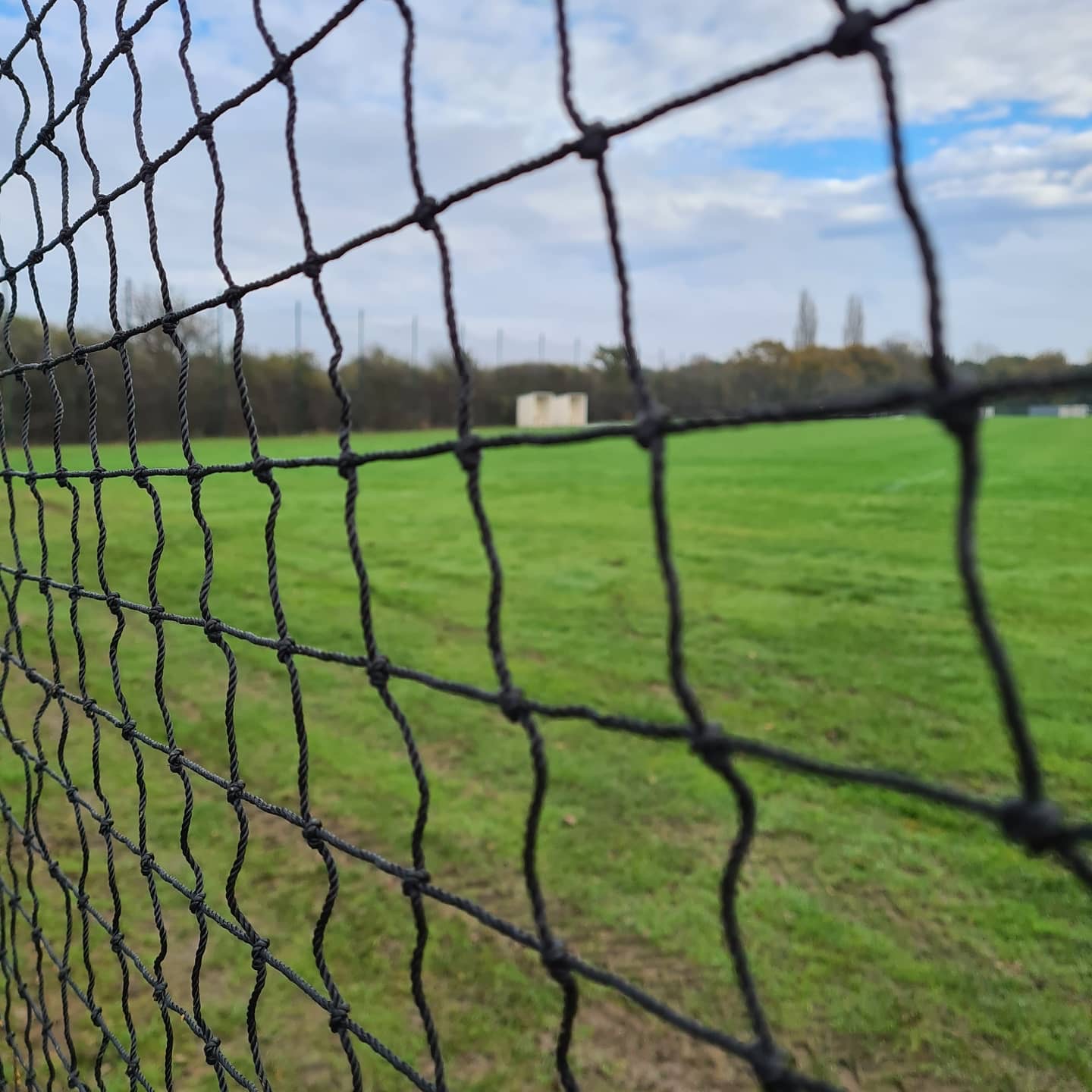
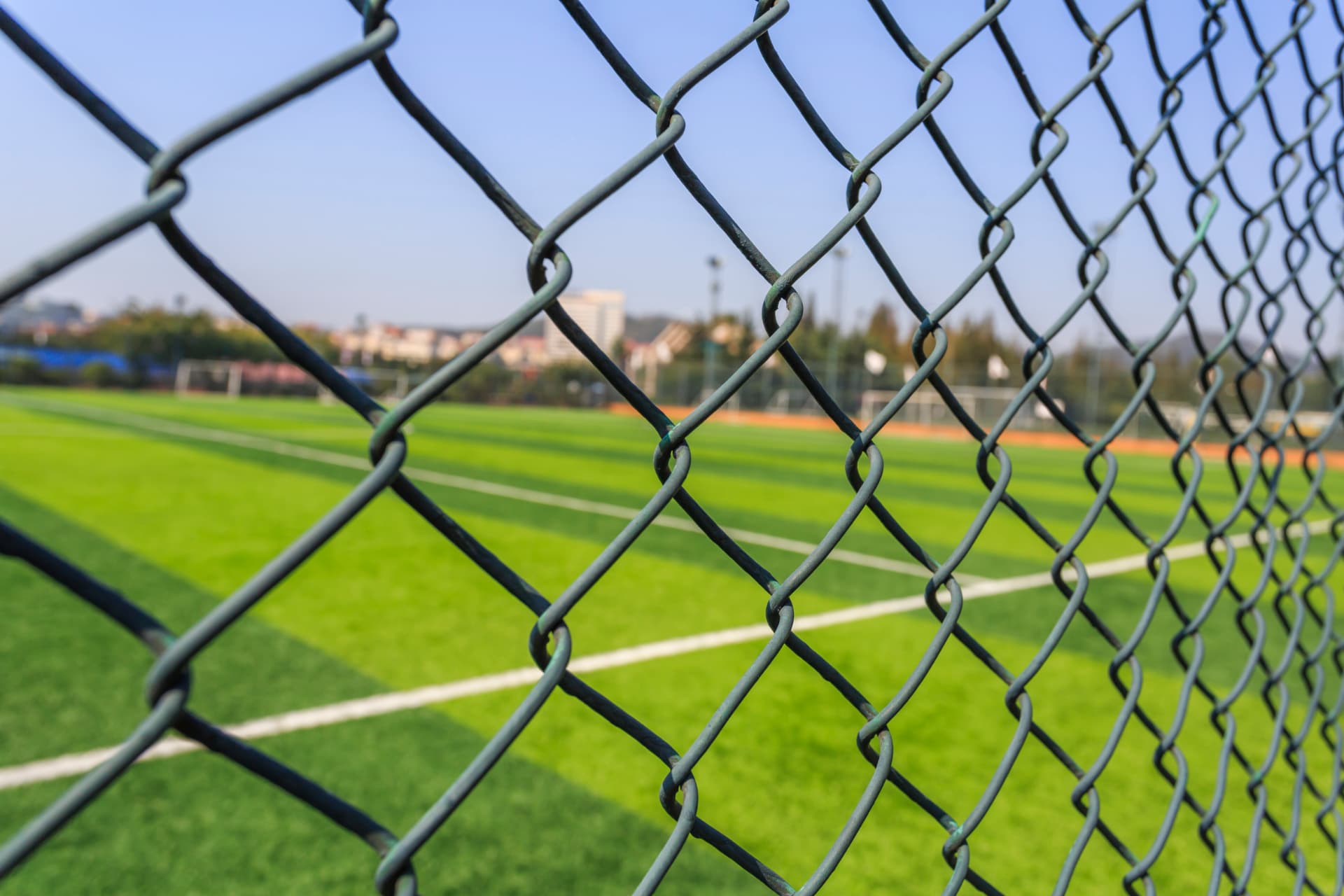
Two constructions are common. Rigid mesh continues the fence line upwards on taller posts, which is robust, easy to maintain and looks like part of the enclosure. Netting on tensioned wires and posts is lighter and can reach greater heights economically, which suits situations where the ball has to be stopped rather than the boundary secured.
Whichever is used, the loads matter. Tall runs catch a lot of wind, so posts, foundations and bracing have to be sized for the extra height rather than simply extended. Corner and end posts take the most, and that is normally where a poorly specified ball-stop run starts to lean.
Applications
Ball-stop runs are worth specifying wherever a stray ball causes damage, disruption or a genuine safety risk beyond the boundary.
Why it works
Balls stay on the pitch, so games are not stopped constantly to retrieve them from a road or car park.
Raised runs are placed on the lines of play, keeping the rest of the boundary lower, cheaper and less imposing.
Posts, foundations and bracing are sized for the finished height rather than a standard fence detail stretched upwards.
Glazing, parked vehicles and neighbouring property are shielded without fencing off the whole site to the same height.
Specification
Height, construction and placement are confirmed on site once the lines of play and the surrounding risks are clear.
Final specification is confirmed following a site survey.
Our process
We inspect the boundary, access, ground conditions and operational requirements.
We recommend a suitable fencing system, height, finish and gate configuration.
The work is coordinated to minimise disruption and maintain safe site access.
The fencing and gates are installed carefully, checked and left with a clean, consistent finish.
Specification enquiry
The useful conversation starts with where the balls actually go. Pro Fencing can walk the pitch, identify the runs that need height, recommend mesh or netting for each and set out access gates so maintenance and groundstaff are not left climbing over the boundary.
Why Pro Fencing
We assess how the boundary needs to perform before recommending a fencing system, finish or gate configuration.
Fencing for industrial, educational, commercial and public environments.
Recommendations based on the boundary, ground, access and security requirement.
Installation coordinated to maintain safe access and minimise disruption.
A defined route from site survey and specification through to installation.

Coverage
Pro Fencing supplies and installs commercial fencing systems throughout Essex. We work with businesses, schools, contractors, sports facilities and public-sector organisations, providing site-specific fencing and gate solutions for new installations, upgrades and boundary replacements.
FAQs
It depends on the sport, the position of the run relative to the play and what sits beyond it. Runs behind goals normally need substantially more height than the sides, and a boundary next to a busy road usually needs more than one facing open playing fields. We set heights per run after seeing the site rather than applying one figure to the whole enclosure.
Rigid mesh is more robust, needs less attention and looks like part of the fence line, so it suits permanent enclosures and lower heights. Netting reaches greater heights more economically and is often the sensible answer where the requirement is purely to stop the ball. Many schemes combine both across different runs.
Often, yes, but not by simply extending the existing posts. Extra height adds wind load, so the posts and foundations on those runs may need replacing or supplementing. We check what is already in the ground before recommending an extension, and say clearly when a new run is the better option.
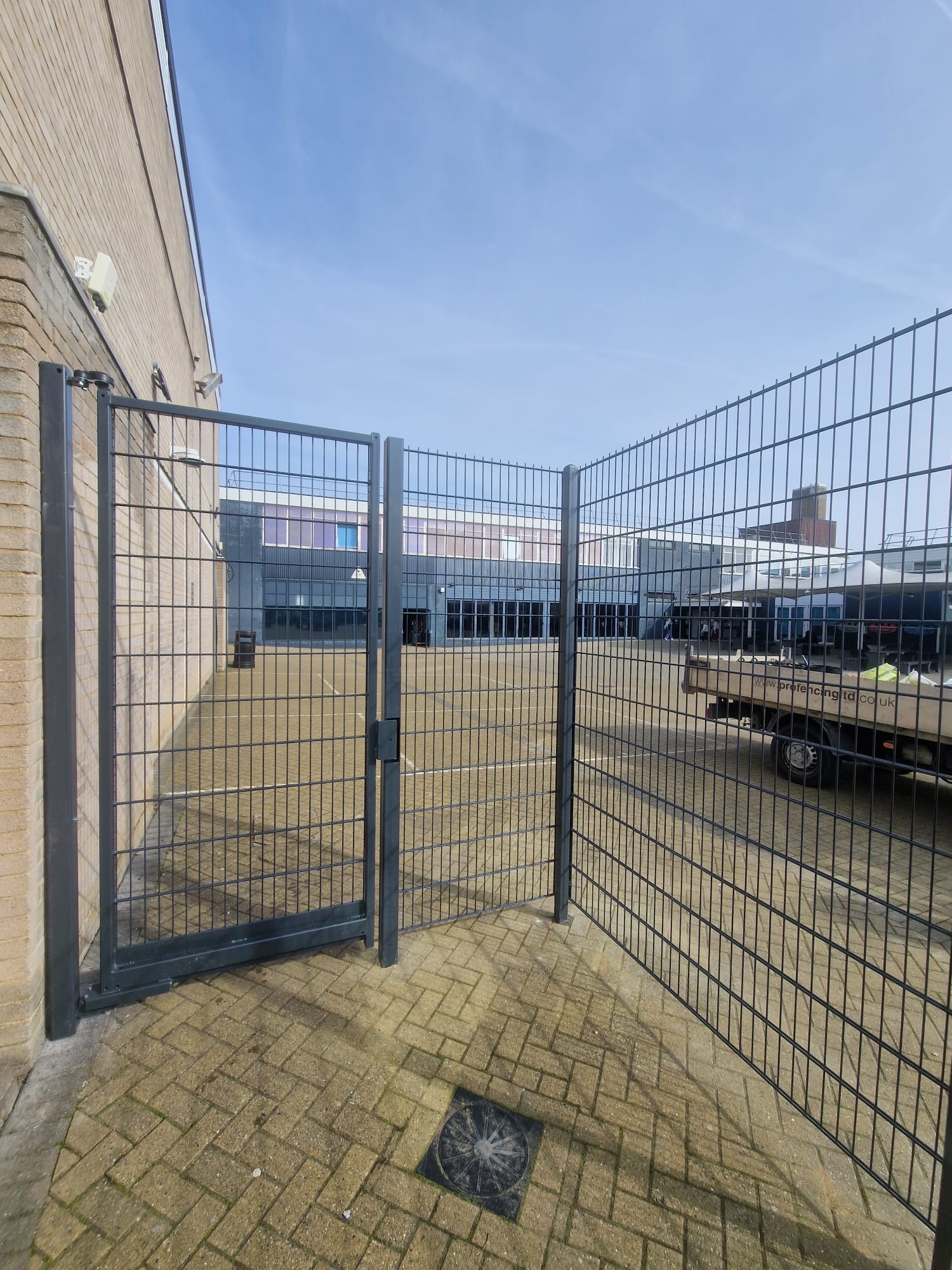
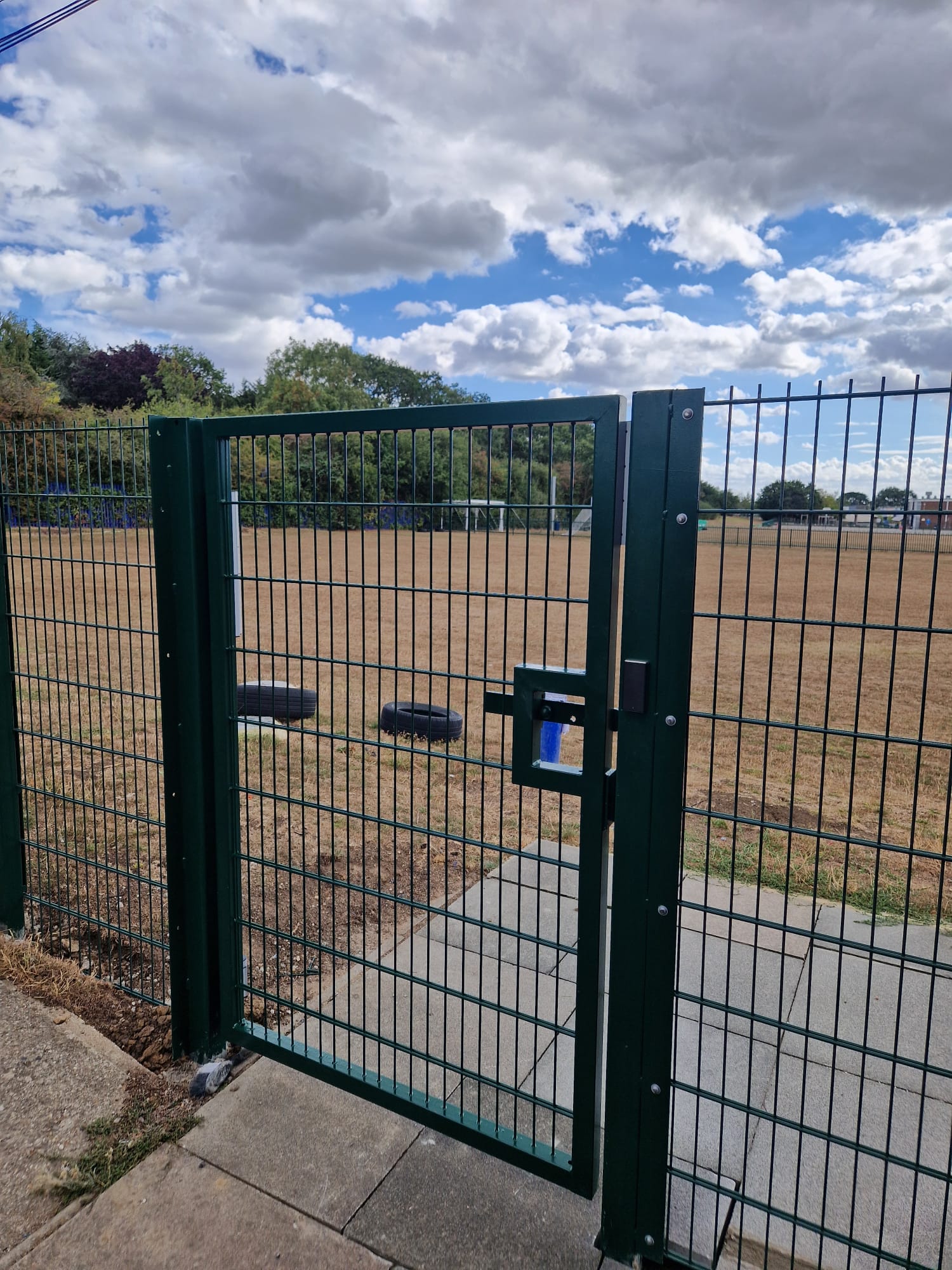
Yes, access is planned as part of the scheme. Pedestrian gates for players and staff, and wider gates where mowers or maintenance vehicles need to reach the surface, are built in the same system and finish so the boundary stays consistent.
Galvanised is the plain finish, and most sports schemes are galvanised and then powder-coated, usually green or black, which reads more quietly against a playing surface. Other colours are available where a school or club has an existing scheme to match.
We install ball-stop fencing throughout Essex and the surrounding areas, including Basildon, Brentwood, Chelmsford, Wickford, Rayleigh, Grays, Thurrock, Southend-on-Sea, Romford, Harlow and Colchester. Larger schemes beyond the county are also worth discussing.
Get started
Talk to Pro Fencing about your site, security requirements and installation timeframe. We can assess the boundary and recommend a suitable solution.